
The Complex Process of Determining Multi-Car Pileup Liability
Car wrecks stand as the most frequent cause of severe property damage, personal injury, and wrongful death in Georgia each year. Statistics reveal a stark reality: vehicular crashes are the leading cause of death for Americans aged 54 and younger. In recent years, our roadways have become even deadlier, with Georgia averaging four traffic-related fatalities daily. Among the most terrifying and legally complex of these highway incidents is the chain-reaction collision, often called a multi-car pileup. These devastating wrecks regularly happen on busy corridors such as I-75, I-85, and I-285, where high speeds, inclement weather, and heavy traffic density create hazardous conditions.
When a dozens-vehicle collision occurs, the immediate aftermath is chaotic, and the subsequent legal battle is equally turbulent. Sorting through the wreckage to find out who caused the initial impact, who struck whom next, and which specific drivers acted negligently requires a meticulous and deep investigation. For anyone injured in these massive highway accidents, establishing fault is a monumental challenge. Navigating the road to financial recovery means understanding the exact mechanisms involved in determining multi-car pileup liability to ensure your legal rights remain fully protected.
The Legal Challenges of Determining Multi-Car Pileup Liability
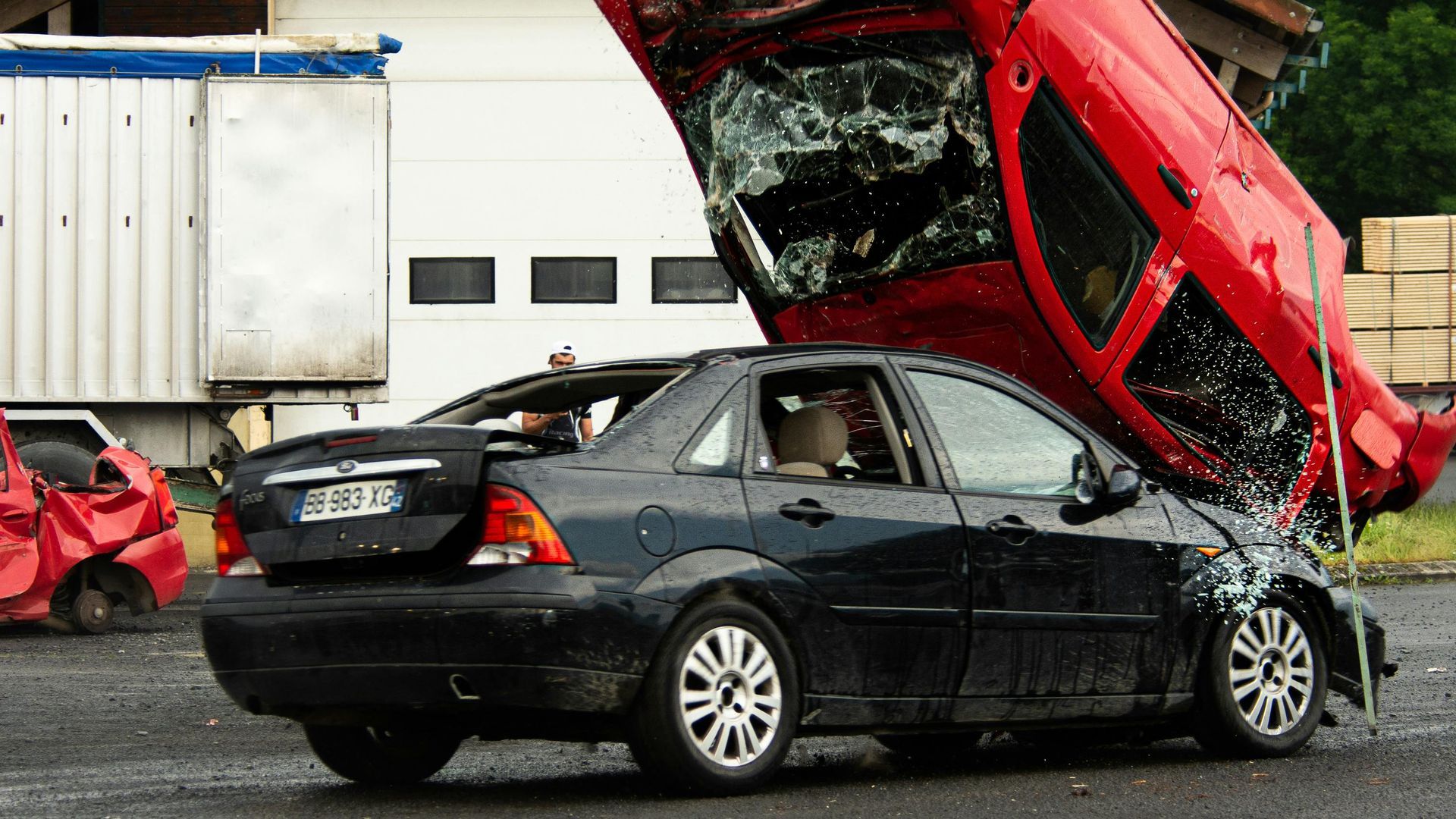
Establishing fault in a typical two-vehicle accident is usually straightforward. One driver runs a red light or rear-ends another vehicle at a stop sign, creating a clear line of fault. In a chain-reaction collision involving three, four, or dozens of vehicles, that clarity vanishes. Instead, investigators are faced with a domino effect where a single initial mistake, or a series of independent negligent actions, triggers a massive wave of destruction.
Because of this complexity, determining multi-car pileup liability is rarely a matter of pointing a finger at just one individual. In the state of Georgia, multiple drivers can share varying degrees of fault for the same overall event. For instance, the very first driver in the chain might have slammed on their brakes suddenly due to an animal in the road, which may or may not constitute negligence. However, a third driver further down the line might have been following too closely, while a fifth driver was distracted by a mobile device and failed to slow down, amplifying the severity of the subsequent impacts.
The Role of Georgia’s Comparative Negligence Laws
Georgia operates under a modified comparative negligence system. This legal framework directly impacts how financial recovery is distributed following a multi-vehicle wreck. Under this rule, an injured party can recover damages as long as their own percentage of fault is calculated to be less than 50 percent.
If you are found partially to blame for a portion of the pileup, your total financial compensation will be reduced by your exact percentage of fault. For example, if a court determines that you suffered $100,000 in total losses but were 10 percent at fault because one of your brake lights was non-functional, your final recovery would be reduced to $90,000. If your fault reaches or exceeds 50 percent, you are completely barred from recovering any compensation from the other drivers. This high-stakes legal framework makes the accurate determination of fault incredibly critical for every single victim involved.
How Attorneys Untangle Fault After a Chain-Reaction Crash
To successfully recover losses after a highway pileup, a skilled legal team must untangle a massive web of conflicting insurance policies, varying driver statements, and physical forensic evidence. At the Law Office of Daniel R. Crumby, LLC, we utilize a rigorous, multi-faceted investigative approach to reconstruct the crash sequence and identify the primary negligent parties.
Our comprehensive investigation process focuses heavily on several key investigative areas:
- Analyzing Vehicle Damage and Impact Points: By examining the specific structural crush patterns on each vehicle, forensic specialists can often determine the direction and force of each collision. This helps establish whether a vehicle was pushed into the car ahead of it or if it struck the car ahead before being hit from behind.
- Reviewing Electronic Logging Data (ELDs): When commercial semi-trucks are involved in a pileup, their black box data and electronic logs provide vital information. This data reveals the exact speed of the truck, when the driver applied the brakes, and whether the driver was complying with federal hours-of-service regulations.
- Examining Dashcam and Traffic Camera Footage: Video evidence provides definitive proof of weather conditions, visibility, and the precise timing of events as the pileup unfolded.
- Evaluating Scene Forensics: Skid marks, fluid spills, and the final resting positions of the vehicles offer crucial clues regarding speeds, braking distances, and the chronological sequence of the pileup.
- Cross-Referencing Witness and Driver Statements: Interviewing bystanders, passengers, and the involved motorists allows us to build a comprehensive timeline that highlights where the breakdown in safe driving behavior actually began.
Through this deep dive into the physical and digital evidence, we can confidently challenge the self-serving versions of events that insurance companies often present to avoid paying out claims.
Confronting Insurance Tactics in Multi-Vehicle Claims
When a multi-car pileup happens, multiple insurance providers immediately launch their own investigations. Because the potential financial payouts for dozens of injured victims can total millions of dollars, these insurance corporations are highly motivated to minimize their financial exposure.
A common tactic used by insurance adjusters in these scenarios is to point the finger at other drivers or claim that the entire incident was an unavoidable accident caused solely by poor visibility, sudden fog, or a patch of black ice. While sudden environmental changes do play a role on Georgia highways, drivers still maintain a legal duty to adjust their speed and following distance to match prevailing road conditions. Our firm has substantial experience dealing with these defensive maneuvers. We aggressively push back against bad faith arguments and ensure that negligent motorists are held accountable for failing to maintain control of their vehicles.
Secure Dedicated Representation to Fight for Your Recovery
Surviving a multi-car pileup is a deeply traumatic experience, and dealing with the complex legal aftermath should not be something you face alone. From managing soaring medical bills and lost wages to defending yourself against wrongful accusations of fault from aggressive insurance corporations, the road to recovery requires skilled, dedicated advocacy.
The Law Office of Daniel R. Crumby, LLC is a trusted, award-winning, Black-owned law firm serving clients across Texas and Georgia. Whether you need a dedicated motor vehicle accident lawyer to investigate a massive highway wreck, or a skilled Georgia criminal defense attorney to fight for your interests in traffic-related charges, our firm provides candid legal advice tailored strictly to your unique situation. We are fully prepared to investigate every contributing cause of your accident and aggressively pursue the maximum compensation you deserve for your losses.
Arrange Your Initial Consultation Today
If you or a loved one has been impacted by a severe chain-reaction crash, do not let insurance adjusters dictate the terms of your recovery. Contact the Law Office of Daniel R. Crumby, LLC today to schedule an initial consultation, protect your rights, and take the first step toward securing justice.