
Georgia Premises Liability Law: What Property Owners Owe You
Georgia Premises Liability Law:
What Property Owners Owe You

When you walk into a grocery store, ride an elevator in an apartment complex, or visit a friend's home, you probably don't think twice about your safety. You expect the floor to be solid, the stairs to be sturdy, and the lighting to be adequate. Most of the time, that expectation is met. But when a property owner fails to keep their premises reasonably safe — and someone gets hurt as a result — Georgia law provides an avenue for the injured party to seek justice. This area of law is known as premises liability, and understanding it can make the difference between walking away from an injury with nothing and securing the compensation you deserve.
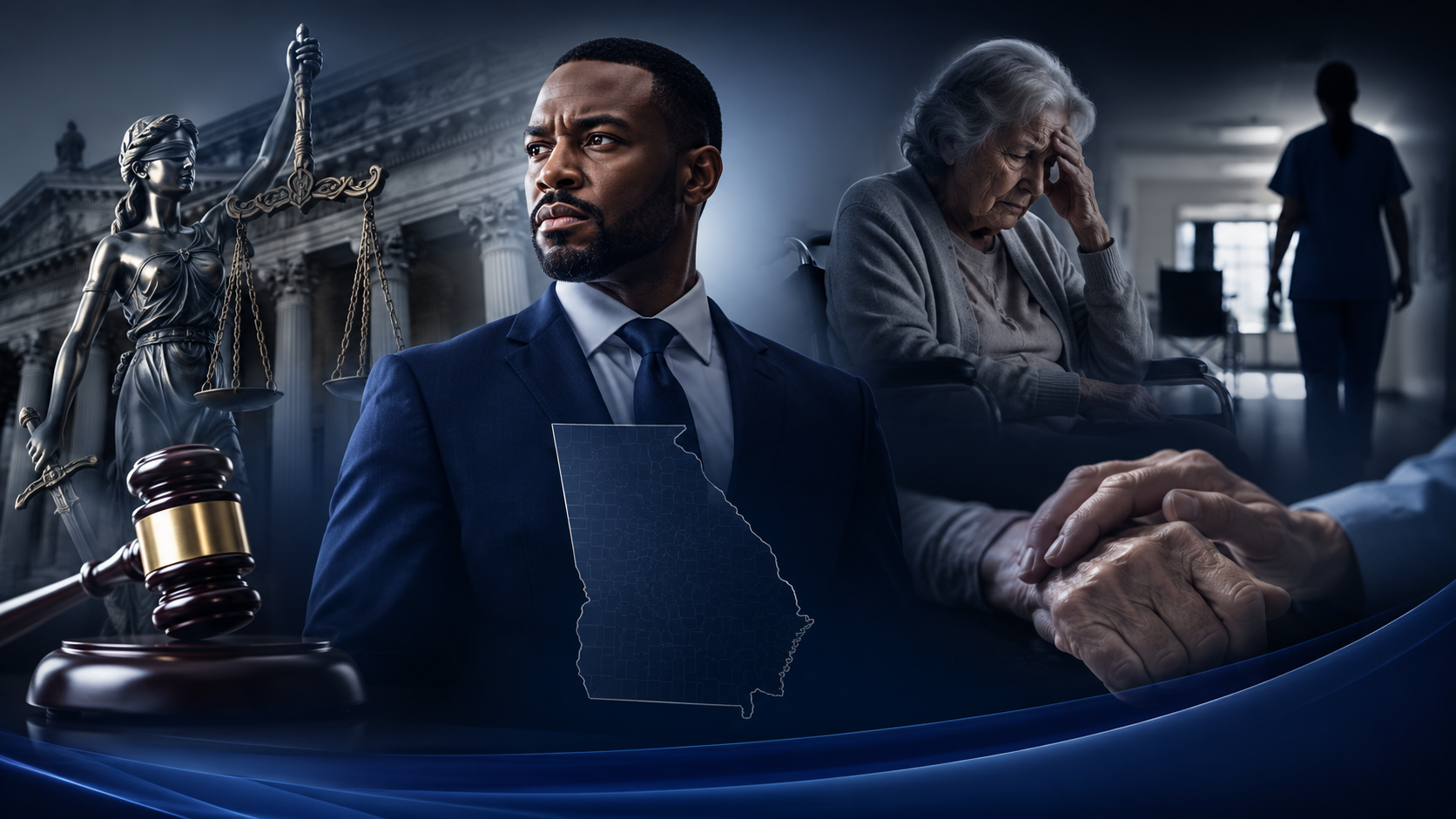
At the Law Office of Daniel R. Crumby, LLC, we regularly represent clients who have been seriously injured due to a property owner's negligence. Drawing on Managing Attorney Daniel R. Crumby's background as a former federal prosecutor and JAG officer, our firm approaches every premises liability case with the same disciplined, investigation-driven strategy that once served the government — now redirected to protect the rights of everyday people across Georgia and Texas.
The Legal Foundation: O.C.G.A. § 51-3-1
Georgia's premises liability law is rooted in a specific statute, O.C.G.A. § 51-3-1, which states that a property owner or occupier who invites others onto their land for a lawful purpose owes a duty to exercise ordinary care in keeping the premises safe. This might sound simple, but the application of this duty is where cases become complicated. Courts examine not just whether an injury occurred, but whether the property owner knew — or reasonably should have known — about the hazard that caused it, and whether they had a reasonable opportunity to fix it or warn visitors.
Who Is Owed a Duty of Care?
Not every person on a property is owed the same level of protection. Georgia law traditionally separates visitors into three categories:
Invitees are individuals invited onto the property for a purpose connected to the owner's business or mutual benefit — think shoppers in a retail store, tenants in an apartment building, or patients in a hospital. Property owners owe invitees the highest duty of care, which includes regularly inspecting the premises for hazards and either correcting them or providing adequate warning.
Licensees are individuals who enter the property with permission but for their own purposes, such as a social guest visiting a friend's home. Owners must warn licensees of known dangers but are not required to actively inspect for hidden hazards.
Trespassers are those who enter without permission. Generally, property owners owe trespassers only the duty not to willfully or wantonly injure them, though exceptions exist — particularly involving children and the "attractive nuisance" doctrine, which can apply to hazards like unfenced swimming pools that may lure a curious child onto the property.
Understanding which category applies to your situation is often the first step in evaluating a premises liability claim, and it's a determination that can significantly affect the strength of your case.
Common Types of Premises Liability Cases
Premises liability covers a broad range of incidents, including:
- Slip-and-fall accidents caused by wet floors, spilled products, or uneven walking surfaces
- Trip-and-fall accidents involving broken sidewalks, loose carpeting, or poor lighting
- Inadequate security leading to assaults, robberies, or other criminal acts on the property
- Swimming pool accidents, including drownings and slip injuries around pool decks
- Elevator and escalator malfunctions
- Dog bites and animal attacks on the owner's property
- Falling merchandise in retail environments
- Nursing home and assisted living hazards, which often overlap with negligence and abuse claims
Each of these scenarios requires a tailored investigative approach. For example, an inadequate security claim may hinge on whether prior criminal incidents at the location put the owner on notice of the risk, while a slip-and-fall claim often turns on how long a hazardous condition existed before the injury occurred.
Proving Negligence: The "Notice" Requirement
One of the most contested issues in Georgia premises liability litigation is the concept of notice. To recover damages, an injured person generally must show that the property owner had either actual notice (they knew about the hazard) or constructive notice (the hazard existed long enough that a reasonably diligent owner should have discovered it) of the dangerous condition. Property owners and their insurers frequently argue that a hazard appeared suddenly and that they had no reasonable chance to address it. Overcoming this defense often requires prompt, thorough evidence gathering — surveillance footage, maintenance logs, incident reports, and witness statements — before that evidence disappears or is destroyed.
This is where experienced legal representation becomes critical. Insurance companies and corporate property managers have teams dedicated to minimizing payouts, and they move quickly to control the narrative after an incident. A firm that understands how these entities operate — and moves just as quickly to preserve evidence — can level the playing field significantly.
Comparative Negligence in Georgia
Georgia follows a "modified comparative negligence" rule. This means an injured person can still recover compensation even if they were partially at fault for the accident, as long as their share of fault does not exceed 49%. However, any damages awarded will be reduced by the injured party's percentage of fault. Property owners and insurers often try to shift blame onto the injured visitor — arguing, for instance, that a hazard was "open and obvious" and should have been avoided. Skilled legal counsel can push back against these tactics and ensure fault is fairly assigned.
Time Limits Matter
Like most personal injury claims in Georgia, premises liability cases are subject to a statute of limitations — generally two years from the date of the injury. Waiting too long to pursue a claim can result in losing your right to compensation altogether, which is why prompt legal consultation after an injury is so important.
Why Experience Matters in These Cases
Premises liability claims often come down to a battle of evidence and credibility. Having an advocate who knows how to build a case methodically — investigating the scene, securing surveillance footage, interviewing witnesses, and anticipating the defenses insurance companies will raise — can make all the difference in the outcome.
If you or a loved one has been injured on someone else's property due to a hazardous condition, don't navigate the process alone. The Law Office of Daniel R. Crumby, LLC is committed to fighting aggressively for injured Georgians, bringing the same disciplined, mission-oriented focus that has defined Mr. Crumby's career — from federal prosecution to the courtroom on behalf of everyday people. Contact our office today to discuss your case and learn what options may be available to you.
This blog post is intended for general informational purposes only and does not constitute legal advice. Every case is unique, and you should consult with a licensed attorney to discuss the specific facts of your situation.